Ever wonder why two Naples waterfront homes, only a canal apart, can differ in price by millions? If you are buying or selling, that gap can feel confusing and risky. The good news is waterfront value is not random. It comes down to a short list of factors you can see, verify, and negotiate. In this guide, you will learn what truly drives price in Collier County, how to value a specific property, and what due diligence protects you. Let’s dive in.
Price drivers in Naples
Frontage and Gulf access
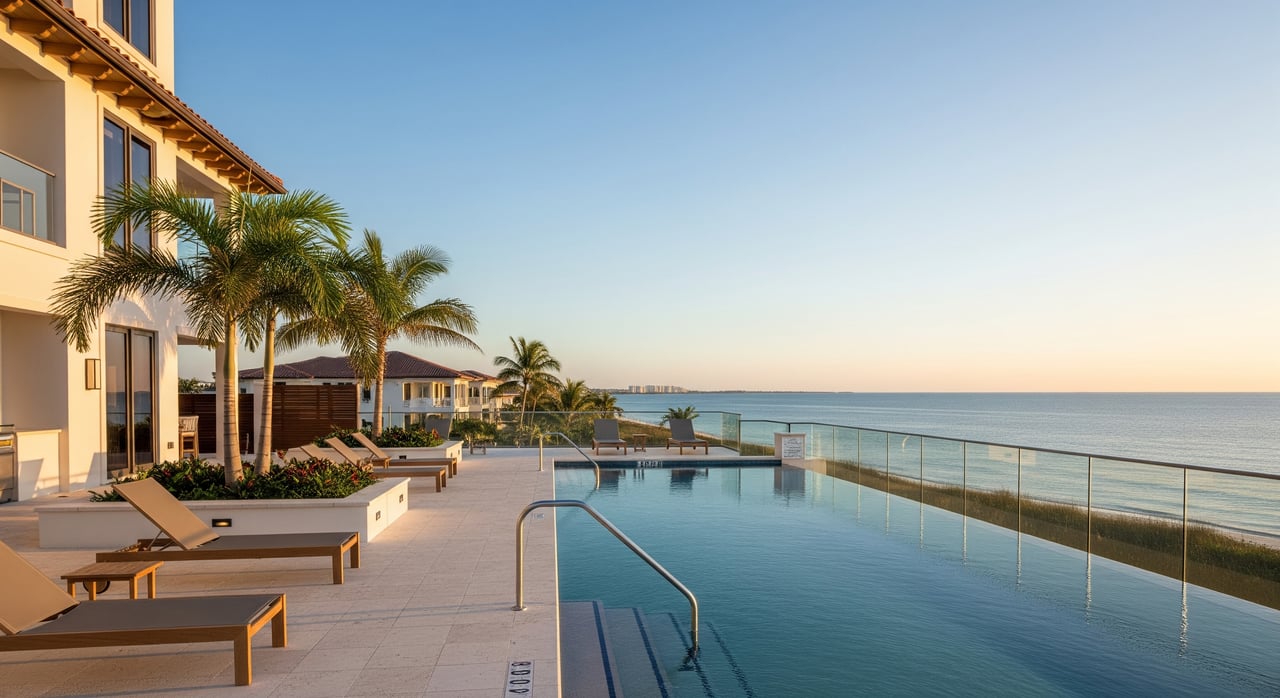
Direct Gulf-front with sandy beach and unobstructed shoreline views usually sits at the top of the pricing ladder. Bayfront and Naples Bay properties are prized for deep water and sheltered boating. Canal homes vary based on canal width, dredging, bridge restrictions, and minutes to open water. Inland lakes and small canals trade below Gulf, bay, and deep-water canal locations.
View orientation and corridors
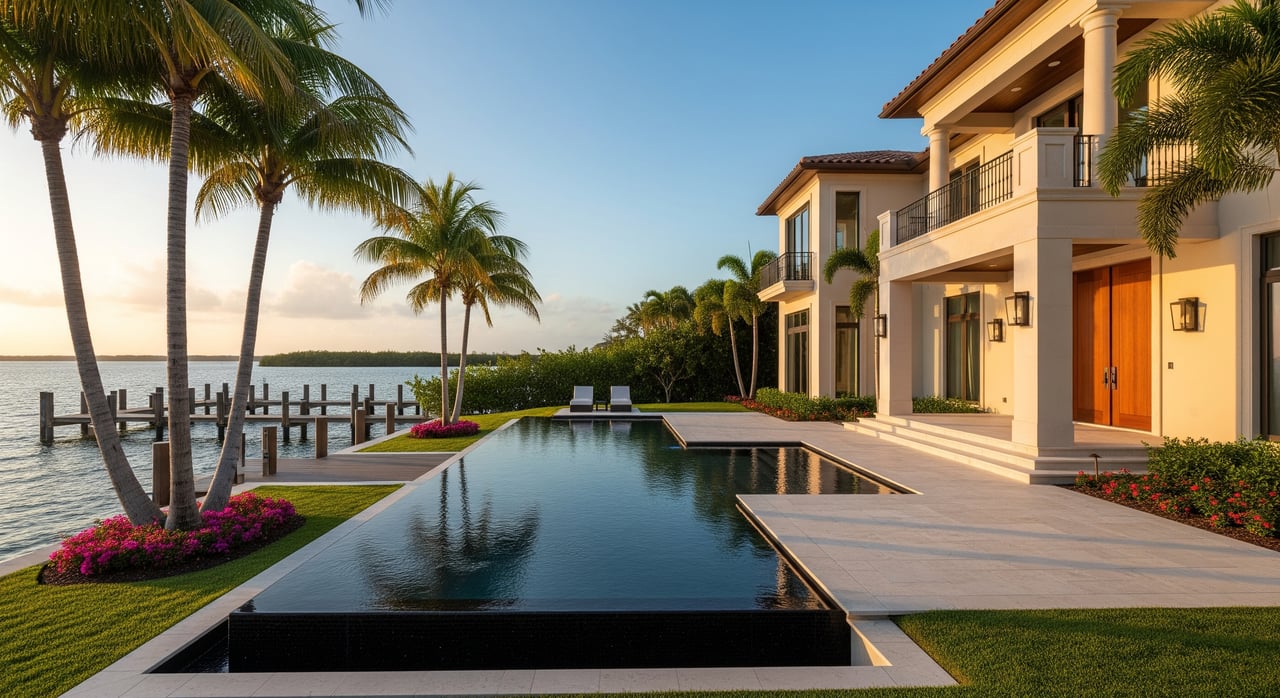
West and southwest exposures capture sunsets, which adds a premium. Full, unobstructed panoramas tend to price higher than partial views. Sightlines blocked by structures or dense mangroves usually reduce value relative to similar homes with clear views.
Dockage, depth, and navigation time
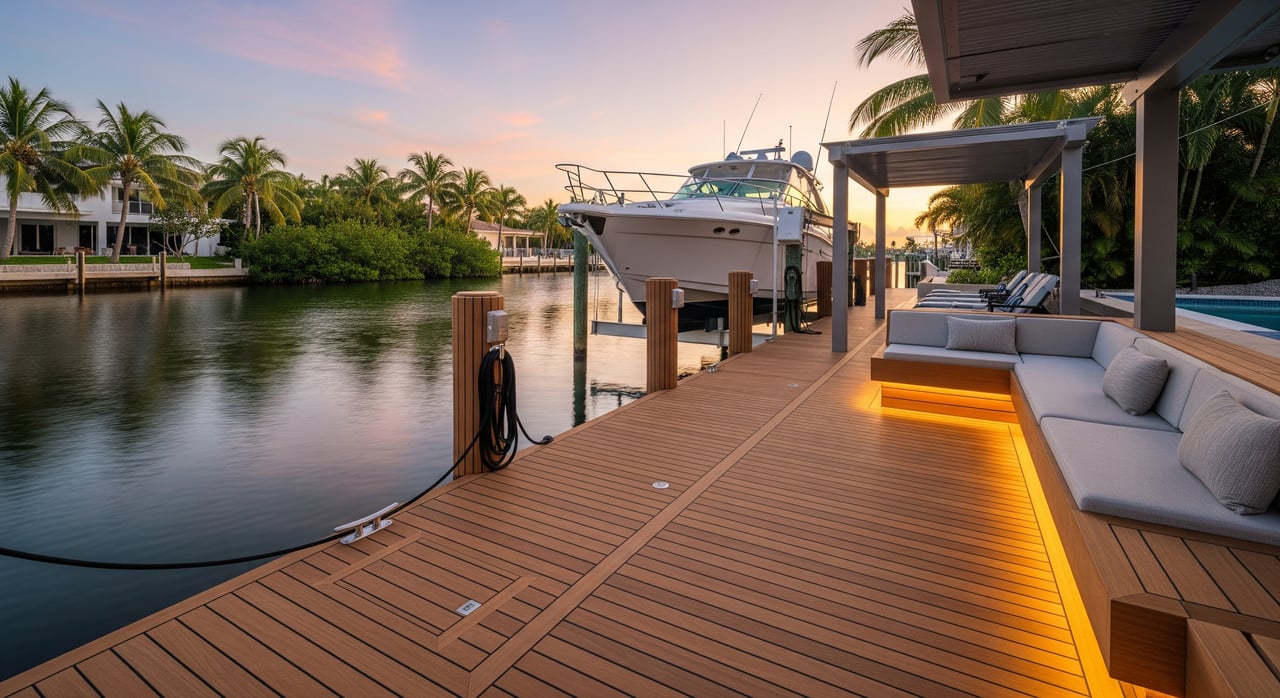
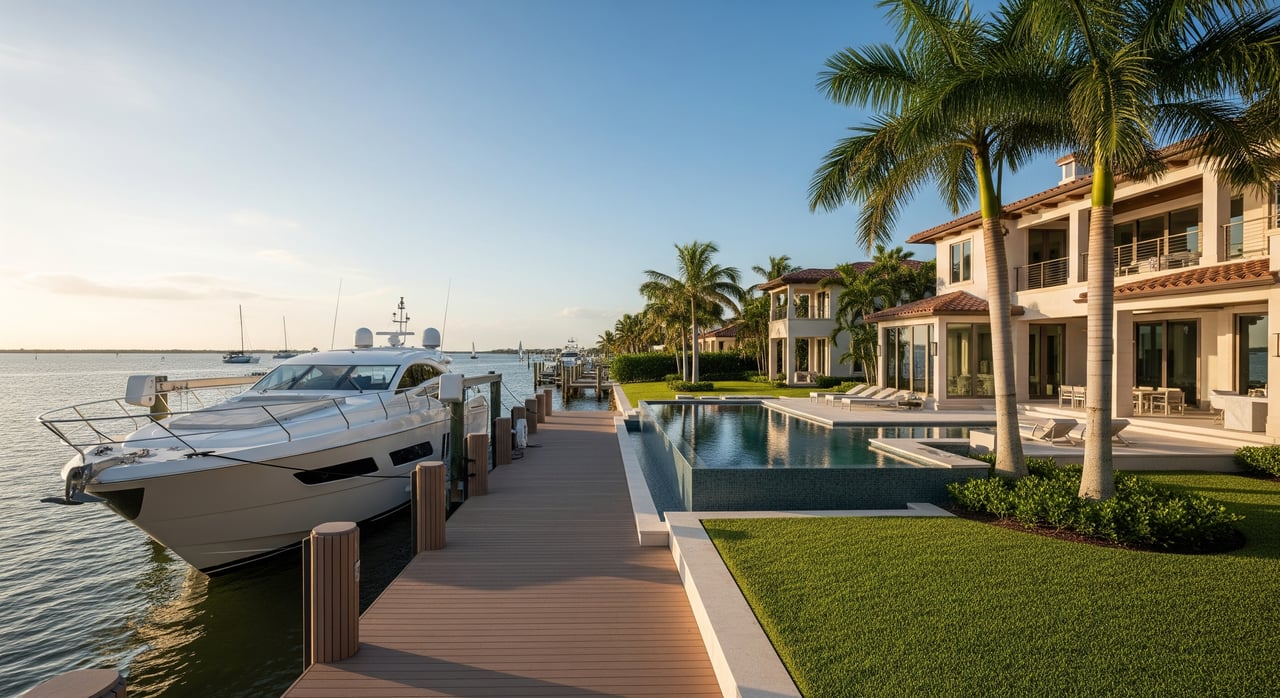
A private dock in excellent condition is a major value driver. Buyers look at the number of slips, dock length, piling capacity, and depth at mean low water. No fixed bridges and quick minutes to the Gulf rank high for serious boaters. Community rules about docking and overnight use can influence desirability and price.
Lot size, shape, and waterfront feet
Waterfront width is a common metric, but it is not the only one. Usable lot depth, the buildable area, and how the home sits on the site matter a lot. Larger lots that support bigger outdoor living areas, pool placement, and privacy features tend to command higher prices.
New-build potential and best use
If zoning and coastal setbacks allow a modern footprint, buyers planning a tear-down and rebuild will pay more for the land. Older homes with dated floor plans are often priced relative to land value and replacement cost. When rebuild potential is constrained by setbacks or conservation rules, land value can be capped.
Seawall, bulkhead, and dock condition
Marine infrastructure is expensive to fix. A newer, well-documented seawall and dock can support a higher ask. If a seawall is near end of life or past repairs are undocumented, buyers often discount for future capital work. Recent inspections and permits help reduce this uncertainty.
Flood risk, elevation, and insurance
FEMA flood zones and elevation certificates directly affect insurability and carrying costs. Premiums under the National Flood Insurance Program and private carriers can vary with elevation and mitigation features. Higher elevations, flood vents, and protected mechanicals can improve insurability and support stronger pricing. You can review flood zones at the official FEMA Flood Map Service Center.
Climate and resiliency features
Sea-level trends and storm surge risk are increasingly considered by buyers and lenders. Homes with impact-rated openings, newer roofs, elevated slabs, and flood-ready systems tend to perform better in the market. For long-term context, explore NOAA’s Sea Level Rise resources.
Location amenities and cachet
Proximity to Old Naples and Fifth Avenue South, private clubs, shopping and dining, marinas, and beach access adds value. Walkability to downtown and convenient boating access are especially prized. Gated communities with shared amenities create a different value profile than custom lots on open water.
Scarcity, inventory, and seasonality
Prime Gulf-front supply is nearly built out, so most trades are resales, rebuilds, or canal/bay infill. When inventory is thin in a micro-market, sellers gain leverage. Seasonal listing patterns matter too. Naples typically sees more listings and buyer activity from fall through winter.
Taxes, fees, and carrying costs
Property taxes, millage rates, and HOA fees where applicable affect net yield and affordability. Florida’s lack of state income tax remains a positive macro driver for demand. Waterfront buyers and sellers should also factor long-term marine maintenance and insurance into budgets.
Financing and buyer profile
Cash buyers are common at the luxury level, which can compress timelines and support stronger pricing. Lenders may require elevation certificates, flood documentation, and detailed appraisals. Unique waterfront attributes require appraisers who know Naples canals, bays, and Gulf-front nuances.
Submarket tiers to know
- Top tier: Port Royal, Aqualane Shores, and the Old Naples beach area tend to command the highest prices due to privacy, larger lots, direct Gulf or deep-water access, and walkability to downtown in some cases.
- High tier: Park Shore and Venetian Village, Naples Bay areas like Royal Harbor, and the Moorings offer strong boating, beach proximity, and luxury inventory.
- Mid to high: Pelican Bay, Vanderbilt Beach, and Gulf Shore Drive offer premium beachfront condos and select single-family homes. Marco Island provides a strong boating culture and a slightly different buyer pool.
- Mid to entry within waterfront: East Naples canals and northern Collier border areas can offer value opportunities, though some locations have bridge or depth limitations.
For current inventory and absorption patterns, check the latest Naples Area Board of REALTORS market reports and property records via the Collier County Property Appraiser.
Valuing a specific waterfront property
Use more than one method and keep comparisons apples-to-apples:
- Waterfront comps: Compare sales within the same canal or immediate area. Match frontage type, view, dockage, and minutes to open water.
- Price per waterfront foot: Useful for Gulf-front and canal lots. Only compare similar frontage types and similar view exposure.
- Replacement cost and teardown analysis: For older homes, weigh land value, seawall condition, and the cost to rebuild under current coastal rules.
- Income approach when relevant: If short-term rentals are allowed, consider seasonality, HOA rules, and realistic occupancy.
Waterfront due diligence checklist
Before you buy or list, gather documentation that reduces friction and surprises:
- Current survey showing waterline and lot lines.
- Elevation certificate and FEMA flood zone confirmation.
- Seawall and dock inspection reports, age, and permit history.
- Water depth survey at low tide, piling condition, and capacity for boat size.
- Proof of open-water access, including bridge heights and restrictions.
- HOA or community rules for docks, overnight docking, and dredging schedules when applicable.
- Insurance quotes for wind and flood prior to contract when possible.
- Title review for riparian rights, easements, encroachments, or submerged land leases.
- Environmental notes, including mangrove protection or conservation easements.
- Local permitting constraints for rebuilds or additions and coastal construction codes.
- Marine survey if a boat conveys with the sale.
Permits, insurance, and rules that matter
Most coastal work requires permits. Dock and seawall projects can involve county review and state-level oversight. You can review environmental guidance with the Florida Department of Environmental Protection. Flood mapping and base elevations are available through the FEMA Flood Map Service Center. For long-term coastal context, NOAA’s Sea Level Rise tools offer helpful visuals. Always pair these resources with local professional guidance before you rely on them in a transaction.
Buyer and seller strategy tips
- For buyers: Prioritize dockage quality, deep-water access, and west-facing views if those matter for your lifestyle. Strong cash or flexible financing improves your position in thin-inventory segments. Confirm insurance and marine infrastructure early.
- For sellers: Pre-listing inspections for seawalls and docks, an up-to-date elevation certificate, and clear permit records build trust and support stronger pricing. Address known maintenance items where ROI is favorable.
- For both: Be realistic about seasonality, insurance budgets, and timeline. Clear documentation often shortens negotiations and protects value.
Seasonality and timing
Naples waterfront activity tends to peak from fall through winter when more buyers are in town. Listing into that window can increase exposure and competition. That said, scarcity in a micro-market can favor sellers at any time of year. Monitor inventory and days on market in your exact submarket using NABOR reports and the Collier County Property Appraiser.
Ready to pinpoint value or position your home for maximum demand? Reach out to Steve Boge for a private conversation and a data-backed valuation tailored to your property.
FAQs
What affects Naples waterfront prices the most?
- Frontage type and Gulf access, view orientation, dock quality and depth, lot width and buildable area, and flood risk with insurability typically have the biggest impact.
How do I compare canal homes in Naples fairly?
- Match like-for-like on canal width, dredging, bridge restrictions, minutes to open water, dock condition, and west or southwest exposure to keep comps accurate.
Do seawall issues change a home’s value?
- Yes. Aging or failing seawalls and docks can require costly repairs, which buyers often price in. Recent inspections and permits help protect value.
How do flood zones and elevation affect costs?
- Flood zones, elevation certificates, and mitigation features drive insurance premiums and lender requirements. Check the FEMA Flood Map Service Center and get updated quotes.
When is the best time to list a Naples waterfront home?
- Fall through winter usually brings more buyers and listings, though ultra-scarce segments perform year-round. Watch submarket inventory using NABOR reports.